
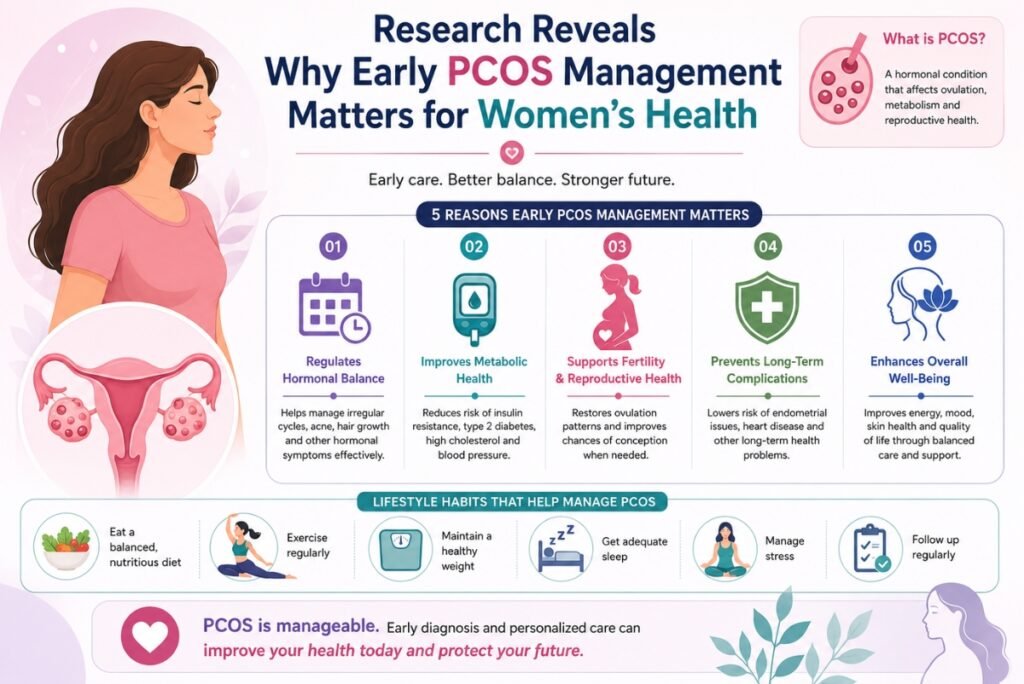
Introduction
Living with irregular periods, acne, unwanted hair growth, or difficulty managing weight can be frustrating, especially when the underlying cause is not immediately clear. One of the most common hormonal conditions affecting women of reproductive age is Polycystic Ovary Syndrome (PCOS). If you are exploring pcos treatment in ahmedabad, understanding the condition, its long-term health implications, and the importance of timely management can help you make informed healthcare decisions.
PCOS is a complex hormonal disorder that affects ovulation, metabolism, and reproductive health. Although its symptoms vary from one woman to another, early diagnosis and individualized treatment can help manage symptoms and reduce the risk of future health complications.
When Hormonal Changes Become More Than Occasional Symptoms
Many women experience occasional changes in their menstrual cycle, but persistent hormonal symptoms should not be ignored.
Signs that may indicate PCOS include:
- Irregular or missed menstrual periods
- Excess facial or body hair
- Persistent acne beyond adolescence
- Difficulty losing weight
- Thinning hair on the scalp
- Darkened skin around the neck or underarms
- Difficulty conceiving due to irregular ovulation
Experiencing one or more of these symptoms does not automatically confirm PCOS, but they should prompt medical evaluation.
Understanding Why PCOS Develops
The exact cause of PCOS remains unclear, but researchers believe several factors contribute to its development.
These may include:
- Hormonal imbalance
- Insulin resistance
- Genetic predisposition
- Elevated androgen levels
- Metabolic abnormalities
Because multiple systems within the body are involved, treatment usually focuses on managing symptoms while addressing the underlying hormonal imbalance.
How Doctors Confirm a PCOS Diagnosis
Diagnosing PCOS involves more than identifying irregular periods. Healthcare professionals evaluate symptoms, medical history, physical findings, and laboratory investigations before making a diagnosis.
Assessment may include:
- Menstrual history
- Physical examination
- Pelvic ultrasound
- Hormonal blood tests
- Blood sugar evaluation
- Lipid profile
- Thyroid assessment when indicated
A comprehensive evaluation also helps exclude other medical conditions with similar symptoms.
Why PCOS Can Affect More Than Fertility
Although PCOS is often discussed in relation to fertility, it can influence several aspects of long-term health.
Women with PCOS may have an increased risk of:
- Insulin resistance
- Type 2 diabetes
- High blood pressure
- Elevated cholesterol
- Sleep disturbances
- Endometrial abnormalities
- Anxiety and depression
Regular medical follow-up helps monitor these risks and supports long-term health management.
Many women searching for pcos treatment in ahmedabad are primarily concerned about irregular periods or pregnancy. However, effective PCOS management also focuses on hormonal balance, metabolic health, emotional well-being, and reducing future health risks through a personalized treatment plan.
Treatment Is Personalized for Every Woman
There is no single treatment that works for everyone with PCOS. Management depends on symptoms, age, reproductive goals, and overall health.
Treatment options may include:
- Lifestyle modifications
- Nutritional guidance
- Regular physical activity
- Weight management strategies
- Medications to regulate menstrual cycles
- Ovulation induction when pregnancy is desired
- Treatment for acne or excess hair growth
- Monitoring of metabolic health
The treatment approach may change over time as health goals evolve.
Lifestyle Habits That Support PCOS Management
Healthy daily habits often play a significant role in managing PCOS symptoms.
Healthcare professionals commonly recommend:
- Following a balanced diet
- Maintaining regular exercise
- Achieving a healthy body weight
- Sleeping adequately
- Managing stress
- Limiting highly processed foods
- Attending regular medical follow-ups
Even modest lifestyle improvements can positively influence hormonal balance and overall well-being.
Common Misconceptions About PCOS
Several myths continue to create confusion about the condition.
Myth: PCOS only affects fertility.
Fact: PCOS can also influence metabolism, cardiovascular health, skin, and emotional well-being.
Myth: Women with PCOS cannot become pregnant.
Fact: Many women with PCOS conceive naturally or with appropriate medical treatment.
Myth: Irregular periods are always normal.
Fact: Persistent menstrual irregularities should always be medically evaluated.
Myth: Weight gain is the sole cause of PCOS.
Fact: While body weight may influence symptoms, PCOS is primarily a hormonal and metabolic disorder.
The Importance of Regular Follow-Up
Because PCOS is a long-term condition, ongoing medical care remains essential even after symptoms improve.
Regular follow-up helps monitor:
- Menstrual health
- Blood sugar levels
- Blood pressure
- Weight changes
- Hormonal balance
- Reproductive health
- Response to treatment
Continuous monitoring allows treatment plans to be adjusted according to changing health needs.
Taking Control of Your Long-Term Health
Managing PCOS involves more than treating individual symptoms. It requires understanding the condition, identifying contributing factors, and following a personalized care plan that supports both reproductive and overall health. Women receiving guidance from Dr. Bhaumik Shah are encouraged to participate actively in treatment decisions through education, regular monitoring, and evidence-based medical care tailored to their individual health goals.
If you are considering pcos treatment in ahmedabad, focus on early diagnosis, comprehensive evaluation, and individualized management rather than short-term symptom relief alone. A proactive approach helps improve quality of life, supports future reproductive health, and promotes long-term hormonal and metabolic well-being.