Uncategorized

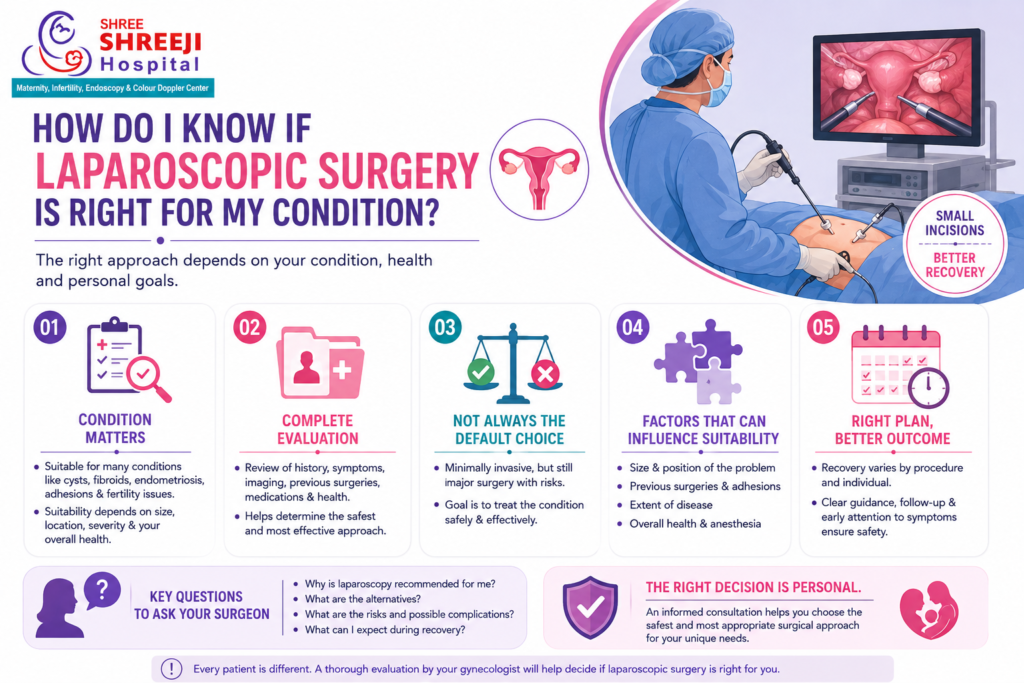
How Do I Know If Laparoscopic Surgery Is Right for My Condition?

Introduction When surgery is recommended for a gynecological condition, it is natural to wonder whether laparoscopic surgery is actually suitable for you. Laparoscopy is a minimally invasive surgical technique that uses a camera and specialized instruments through small abdominal incisions. While it can be an appropriate option for many conditions, it is not automatically the right choice for every patient. For someone researching the  best laparoscopy surgeon in Ahmedabad, the more important question is whether this surgical approach is appropriate for their specific diagnosis, medical history, symptoms, and treatment goals. Understanding how doctors assess suitability can make the decision less confusing. Could Laparoscopy Be Suitable for Your Particular Condition? Laparoscopy can be used to investigate or treat several gynecological problems. Depending on the circumstances, it may be considered for conditions such as ovarian cysts, uterine fibroids, endometriosis, pelvic adhesions, and certain fertility-related problems.However, having one of these conditions does not automatically mean that laparoscopic treatment is necessary. The same diagnosis can affect different patients in different ways. A surgeon may need to consider the size and location of the condition, the severity of symptoms, imaging findings, previous operations, and the patient’s overall health.For this reason, suitability should be determined after an individual medical evaluation rather than by the diagnosis alone. What Does a Surgeon Need to Know Before Recommending Laparoscopy? A careful assessment helps the surgeon understand whether minimally invasive surgery is technically feasible and medically appropriate. Depending on your condition, the evaluation may include: Your current symptoms and how they affect daily life Menstrual and gynecological history Previous abdominal or pelvic surgeries Ultrasound or other imaging results Existing medical conditions Current medications and allergies Previous experiences with anesthesia Pregnancy status when relevant Fertility plans and personal treatment goals For example, a simple ovarian cyst may present very different surgical considerations from a large or complex cyst. Similarly, endometriosis can vary considerably in its extent and location. These differences can influence both the recommended procedure and the surgical approach. Does Minimally Invasive Mean It Is Automatically the Better Choice? Not always.Laparoscopic surgery may offer advantages for appropriately selected patients, including smaller incisions and potentially less postoperative discomfort compared with some open procedures. Depending on the operation, some patients may also return to routine activities sooner.But minimally invasive surgery is still real surgery. It may involve general anesthesia and carries potential risks such as bleeding, infection, injury to surrounding organs, blood clots, or anesthesia-related complications.The objective should therefore not be to choose the smallest incision possible. The objective is to select an approach that can address the underlying condition safely and appropriately. Which Factors Could Make Laparoscopic Surgery More Complex? Several patient-specific factors can influence whether laparoscopy is suitable. The size and position of the problem – The size, location, and characteristics of a cyst, fibroid, or other pelvic abnormality can affect whether it can be safely treated through laparoscopic access. Previous abdominal or pelvic surgery – Previous operations can sometimes lead to internal adhesions, which are bands of scar tissue that may make surgical access more difficult. The extent of these adhesions cannot always be fully predicted before surgery. Extent of endometriosis or other disease – Some gynecological conditions may involve multiple pelvic structures. More extensive disease can require additional planning and may affect the type or complexity of surgery required. Overall health and anesthesia considerations – Medical conditions involving the heart, lungs, blood clotting, or other systems may influence whether a patient is suitable for anesthesia and surgery. These factors should be reviewed during the preoperative assessment. None of these factors automatically means that laparoscopy cannot be performed. They simply show why the decision needs to be individualized. When Might a Different Surgical Approach Be Considered? Laparoscopy is a suitable option for many gynecological procedures, but it may not be appropriate in every situation. The surgeon may recommend a different surgical approach when the condition is particularly complex, difficult to access, or requires a level of visibility or control that cannot be safely achieved through minimally invasive techniques. In some cases, the surgical plan may also need to change after the procedure begins. Unexpected findings, extensive internal scar tissue (adhesions), significant bleeding, or involvement of nearby organs may make a different approach safer. This possibility is usually explained before surgery as part of informed consent. If the surgical team changes the approach during an operation, the decision is generally made based on the findings at that time and the priority of completing the procedure as safely as possible. The important point for patients is that a different surgical approach does not necessarily mean something has gone wrong. It may simply reflect the surgeon’s assessment of what is safest and most appropriate for the individual condition. How Should Recovery Expectations Influence Your Decision? Recovery is another important part of discussing treatment, but it varies from one patient to another.The recovery period can depend on the type of laparoscopic procedure, the extent of treatment, the patient’s general health, and whether additional procedures are performed. Your healthcare team may provide specific instructions about wound care, medicines, walking, exercise, driving, work, lifting, and follow-up appointments.Patients should also know which symptoms require medical attention. Severe or increasing pain, heavy bleeding, fever, persistent vomiting, difficulty breathing, or concerning changes around an incision should be discussed promptly with the healthcare team.Understanding the expected recovery process before surgery can help you plan appropriately and recognize when something may not be progressing as expected. How Can You Decide Whether Laparoscopy Is Right for You? There is no universal checklist that can determine whether every patient is a candidate for laparoscopic surgery. The decision is based on the specific diagnosis, symptoms, examination findings, imaging, previous medical and surgical history, overall health, and treatment objectives. If you are looking for the best laparoscopy surgeon in Ahmedabad, focus less on a general ranking and more on whether the consultation provides a clear explanation of your individual treatment options. A responsible surgical discussion should explain why laparoscopy is being considered, what

How Do I Know If Laparoscopic Surgery Is Right for My Condition? Read More »
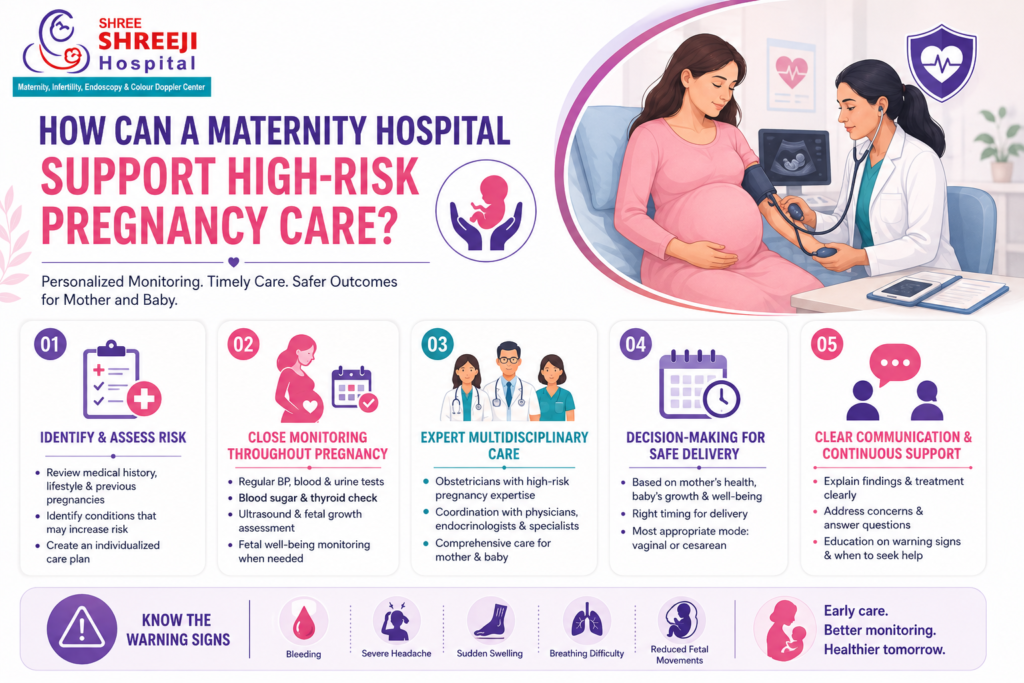
How Can a Maternity Hospital Support High-Risk Pregnancy Care?

Introduction A pregnancy that requires closer medical attention can bring many questions for an expectant mother and her family. Conditions such as high blood pressure, diabetes, thyroid problems, multiple pregnancy, previous pregnancy complications, or certain maternal and fetal concerns may require more frequent monitoring than a routine pregnancy. For someone looking for the best maternity hospital in Ahmedabad, understanding how high-risk pregnancy care is organized can be more useful than simply comparing hospital names. The right maternity setting should be able to assess individual risks, monitor changes throughout pregnancy, and coordinate care when additional medical support is needed. What Makes a Pregnancy High Risk? A high-risk pregnancy does not necessarily mean that a serious complication will occur. It means that certain factors may increase the possibility of complications for the mother, baby, or both. Some pregnancies may be considered higher risk because of: High blood pressure or preeclampsia Gestational or pre-existing diabetes Thyroid disorders or other medical conditions Multiple pregnancy, such as twins Placental problems Previous pregnancy or delivery complications Previous premature birth Maternal age or other individual risk factors Concerns about fetal growth or development The level of risk can also change during pregnancy. A woman who initially has a routine pregnancy may develop a condition later that requires closer observation. This is why regular antenatal care remains important even when pregnancy begins without obvious concerns. How Does Closer Monitoring Help During Pregnancy? High-risk pregnancy care often involves more individualized monitoring than standard antenatal care. The exact schedule depends on the mother’s health, gestational age, medical history, and the baby’s condition. Monitoring may include regular blood pressure checks, blood tests, urine tests, blood glucose assessment, fetal growth evaluation, and ultrasound examinations when clinically indicated. Depending on the situation, fetal monitoring may also be recommended to assess the baby’s heart rate and overall well-being. These assessments help the healthcare team identify changes that may require additional evaluation or treatment. The purpose is not simply to perform more tests. Each assessment should have a clinical reason and help the healthcare team make informed decisions about continuing pregnancy care. When Does a High-Risk Pregnancy Need Specialist Attention? Some conditions can benefit from early assessment by an obstetrician experienced in managing pregnancies with additional medical concerns. The timing of specialist involvement varies according to the condition. For example, a woman with diabetes may need careful blood sugar management because poorly controlled glucose levels can affect pregnancy outcomes. Similarly, high blood pressure may require regular monitoring because it can become more significant as pregnancy progresses. A history of previous complications can also influence the current care plan. Your doctor may review what happened during the earlier pregnancy and determine whether additional surveillance is appropriate this time. In some cases, the maternity team may coordinate with other specialists, such as physicians, endocrinologists, or fetal medicine specialists, depending on the mother’s needs. What Role Does Ultrasound and Fetal Monitoring Play? Ultrasound can provide important information about fetal growth, placental location, amniotic fluid, and other aspects of pregnancy when an examination is medically indicated. However, an ultrasound does not replace the complete clinical assessment of the mother and baby. A healthcare professional considers ultrasound findings together with symptoms, medical history, physical examination, blood pressure, laboratory results, and the stage of pregnancy. For women searching for the best maternity hospital in Ahmedabad, it is therefore useful to consider whether the maternity care approach includes appropriate prenatal monitoring rather than focusing only on the availability of individual tests. The frequency and type of fetal monitoring depend on the pregnancy. Some women may require additional scans, while others may need closer observation of maternal health instead. How Is the Timing and Method of Delivery Decided? One of the biggest concerns during a high-risk pregnancy is whether delivery will need to happen earlier than expected. There is no single delivery plan that applies to every high-risk pregnancy. The decision may depend on: The mother’s medical condition Blood pressure and other maternal health measurements Baby’s growth and well-being Placental or amniotic fluid concerns Gestational age Previous obstetric history Response to treatment or monitoring When pregnancy can safely continue, healthcare professionals may recommend ongoing observation. If continuing the pregnancy creates greater risk for the mother or baby, delivery may sometimes be recommended earlier. The method of delivery is also individualized. A high-risk pregnancy does not automatically mean that a cesarean birth is required. Depending on the circumstances, vaginal delivery may remain appropriate, while certain conditions may make cesarean delivery safer. What Should Families Look for in High-Risk Maternity Care? Choosing maternity care for a pregnancy with additional medical concerns involves more than selecting a facility for delivery. Families should understand how care will be coordinated if the pregnancy becomes more complicated. Important questions may include: How frequently will antenatal assessments be scheduled? How are maternal medical conditions monitored? What fetal monitoring may be required? How are unexpected changes handled? When would specialist consultation be considered? How will the delivery plan be adjusted if circumstances change? What warning symptoms require immediate medical attention? A maternity care team should also explain findings and treatment decisions clearly. Patients should feel comfortable discussing symptoms, concerns, medications, previous pregnancy experiences, and changes in their health. High-risk pregnancy care works best when the patient and healthcare team communicate regularly rather than relying only on scheduled appointments. Which Warning Signs Should Not Be Ignored? Women with high-risk pregnancies should follow the specific warning instructions provided by their healthcare professional. Certain symptoms, however, may require prompt medical assessment. These can include significant vaginal bleeding, severe or persistent abdominal pain, severe headache with visual changes, sudden swelling, difficulty breathing, fluid leakage, fever, or noticeably reduced fetal movement after movements have previously been established. Not every concerning symptom means that a serious complication is occurring, but seeking timely medical advice can help determine whether evaluation is necessary. Pregnant women should not change prescribed medication, stop treatment, or delay assessment based solely on information found online. How Can Individualized Care Improve the Pregnancy

How Can a Maternity Hospital Support High-Risk Pregnancy Care? Read More »

Can a Gynecologist Help With Irregular Periods and Hormonal Changes?

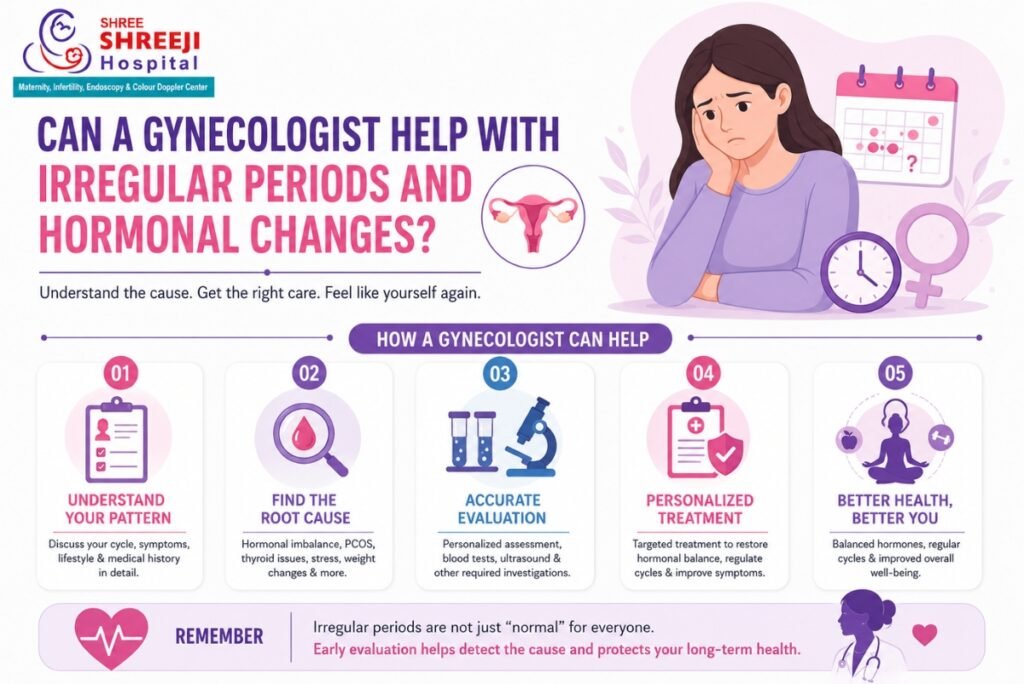
Introduction Periods do not always arrive on exactly the same day every month, and occasional changes can happen because of stress, illness, travel, weight changes, or other temporary factors. However, repeated irregular periods, unusually heavy bleeding, missed periods, or new symptoms may deserve medical attention. If you are searching for the best gynecologist in Ahmedabad, one of the most useful reasons to consult a gynecologist is to understand whether changes in your menstrual cycle are temporary or related to an underlying hormonal or gynecological condition. A proper evaluation can help identify possible causes and determine whether treatment or monitoring is appropriate. What Counts as an Irregular Period? A menstrual cycle can vary between individuals, and cycle length may also change at different stages of life. Irregular periods generally refer to menstrual cycles that are consistently unpredictable, unusually far apart, unusually frequent, or significantly different from your usual pattern. You may notice: Periods arriving much earlier or later than expected Missing periods Very heavy menstrual bleeding Bleeding that lasts longer than usual Bleeding between periods Major changes in your usual menstrual pattern One unusual cycle does not necessarily indicate a medical problem. The pattern over time, your age, symptoms, and overall health are more important when determining whether evaluation is needed. Why Can Hormonal Changes Affect Your Menstrual Cycle? Hormones play an important role in controlling ovulation and the menstrual cycle. When hormone levels change or ovulation becomes irregular, periods may become unpredictable. Several factors can contribute to these changes, including: Polycystic ovary syndrome (PCOS) Thyroid disorders Significant weight gain or weight loss Excessive physical or emotional stress Certain medications Changes associated with puberty or perimenopause Pregnancy or breastfeeding Some underlying reproductive health conditions PCOS, for example, can be associated with irregular ovulation and ssssssperiods. Thyroid problems can also affect menstrual patterns. However, similar symptoms can occur for different reasons, which is why it is not advisable to assume that a particular condition is responsible without medical assessment. How Can a Gynecologist Find the Reason Behind Irregular Periods? A gynecological consultation usually begins with a detailed discussion about your menstrual history and other symptoms. Your doctor may ask about: When your periods started becoming irregular Your typical cycle length How long bleeding lasts The amount of bleeding Pelvic pain or discomfort Changes in weight Acne or increased facial or body hair Medicines and supplements Pregnancy possibility Stress, sleep, and lifestyle changes Previous medical or reproductive health problems Depending on your symptoms, the evaluation may include a physical examination, pregnancy testing, blood tests, thyroid or other hormone assessments, or pelvic imaging such as an ultrasound. The exact tests are not the same for everyone. A doctor generally selects investigations based on your age, symptoms, medical history, and clinical findings. When Should Irregular Periods Be Medically Evaluated? Not every change in your cycle requires immediate treatment, but persistent or significant changes should not be ignored. Consider discussing your symptoms with a gynecologist if your periods repeatedly become irregular, you frequently miss periods without an expected reason, or your bleeding pattern changes substantially. Medical assessment can be particularly important when menstrual changes occur alongside symptoms such as persistent pelvic pain, unusual vaginal bleeding, excessive hair growth, significant acne, unexplained weight changes, or difficulty becoming pregnant. Very heavy bleeding accompanied by weakness, dizziness, fainting, or other concerning symptoms may require prompt medical attention. The purpose of an evaluation is not simply to make periods more predictable. It is to determine whether there is an underlying cause that needs attention. Can Treatment for Irregular Periods Be Personalized? Yes. Treatment depends on why the menstrual cycle has changed. If an underlying condition such as a thyroid disorder is identified, treatment may focus on that condition. If PCOS is contributing to irregular ovulation, management may involve lifestyle measures, medications, or other approaches depending on the individual’s symptoms and reproductive goals. For some patients, hormonal medication may be considered to regulate bleeding or manage specific symptoms. For others, observation and follow-up may be more appropriate. Treatment decisions can also be different for someone trying to conceive compared with someone who is not planning pregnancy. This is why simply taking medication to make periods regular without understanding the underlying cause may not address the actual problem. What Other Symptoms Should You Mention During Your Appointment? Irregular periods can sometimes occur alongside symptoms that provide important clues about hormonal or reproductive health. Changes in skin or hair – Persistent acne, increased facial hair, or scalp hair thinning can sometimes occur with hormonal conditions such as PCOS, although these symptoms can have other causes as well. Pelvic discomfort – Pelvic pain, painful periods, or pain during intercourse should be mentioned because they may point toward a separate gynecological concern requiring evaluation. Fertility concerns – If irregular cycles are making it difficult to predict ovulation or you have been trying to become pregnant, tell your doctor. Irregular ovulation can affect fertility, and identifying the cause can help guide appropriate care. Keeping track of your periods, bleeding patterns, symptoms, and medications before an appointment can also make the consultation more informative. What Can You Do Before Seeing a Gynecologist? A simple menstrual record can provide useful information. Note the first day of each period, approximate duration, unusually heavy bleeding, spotting, pain, and other symptoms. It can also be helpful to record major lifestyle changes, medications, weight changes, or significant stress around the time your cycle changed. If you are considering care with the best gynecologist in Ahmedabad, bring any previous ultrasound reports, blood test results, medication details, and relevant medical records to your consultation. This can help your doctor understand the history instead of evaluating the current symptoms in isolation. When Should You Seek Professional Evaluation? Irregular periods are common, but persistent changes should not automatically be dismissed as “just hormones.” Hormonal fluctuations are only one possible explanation, and the appropriate response depends on the individual. Dr. Bhaumik Shah can assess menstrual changes in the context of your symptoms, medical history, examination findings,

Can a Gynecologist Help With Irregular Periods and Hormonal Changes? Read More »

Is Weight Gain During Menopause Normal, and What Can Help?

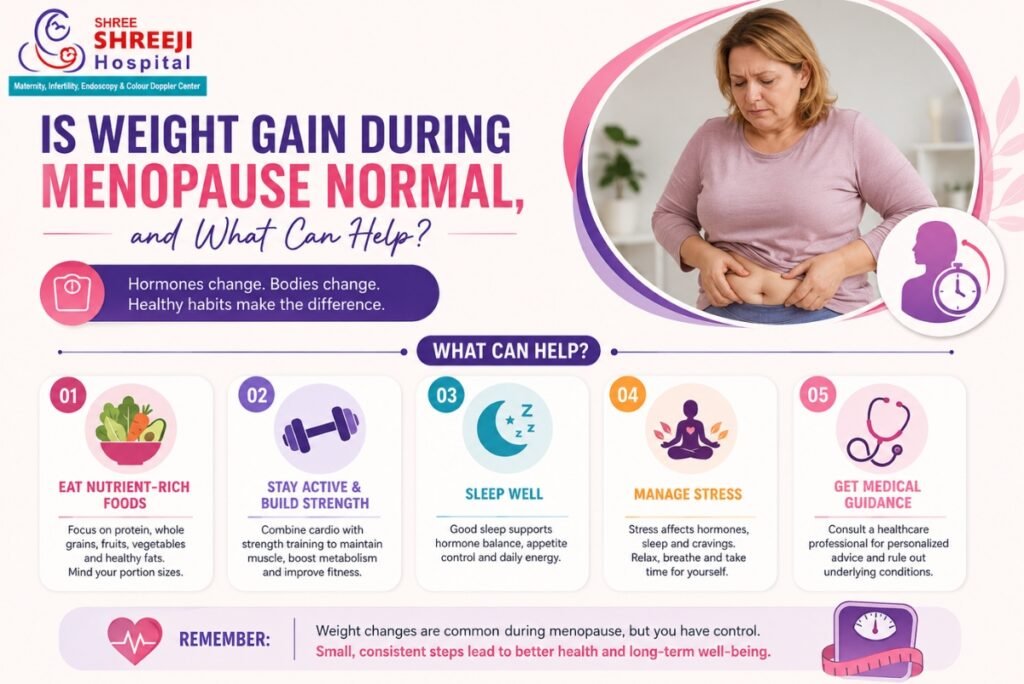
Introduction Weight changes are a common concern during the menopausal transition. Some women notice that their usual eating and activity patterns no longer produce the same results, while others experience a gradual increase in abdominal weight. These changes can be frustrating, particularly when they seem to occur without major lifestyle changes. If you are searching for the best menopause clinic in Ahmedabad, it is important to understand that weight gain around menopause is not simply a matter of willpower. Age-related changes, hormonal fluctuations, muscle mass, sleep, stress, physical activity, and eating patterns can all influence body weight and fat distribution. Understanding what may be contributing to the change can help you choose realistic and sustainable ways to manage it. Why Can Your Body Change Around Menopause? Menopause marks the end of menstrual periods after ovarian hormone production declines. The transition leading up to menopause, known as perimenopause, can last for several years and is associated with changing levels of hormones such as estrogen. Hormonal changes can influence where the body tends to store fat. Many women notice more fat around the abdomen rather than the hips and thighs. At the same time, natural aging can contribute to a gradual reduction in muscle mass, which may affect how many calories the body uses at rest. These changes do not mean that every woman will gain significant weight. Individual experiences vary, and lifestyle, genetics, sleep, medications, and other health conditions can also contribute. Is Menopause the Only Reason for Weight Gain? No. Menopause can be one factor, but unexplained weight gain should not automatically be attributed to hormonal changes. Changes in body weight can also be associated with: Reduced physical activity Loss of muscle mass with age Poor sleep or persistent sleep disruption Increased stress Changes in eating patterns Certain medications Thyroid disorders Insulin resistance or other metabolic factors Other underlying health conditions This is why a sudden or substantial change deserves attention, particularly when it occurs alongside other symptoms. A healthcare professional can review your symptoms, medical history, lifestyle, and medications to determine whether further assessment may be appropriate. Why Does Abdominal Weight Seem More Noticeable During Menopause? One of the most noticeable changes for some women is an increase in abdominal fat. Changes in estrogen levels may influence fat distribution, while aging and reduced muscle mass can also contribute to changes in body composition. Sleep problems and stress may further affect appetite, food choices, and daily activity. It is important not to focus only on the number on the weighing scale. Waist measurement, muscle strength, blood pressure, blood sugar, cholesterol, physical fitness, and overall health can also provide useful information. The goal should be improving overall health and body composition rather than pursuing rapid weight loss. What Lifestyle Changes Can Actually Help? There is no single menopause diet that works for everyone. Sustainable habits are generally more useful than restrictive diets that are difficult to maintain. Prioritize protein and nutrient-rich foods – Adequate protein can support muscle maintenance, while vegetables, fruits, whole grains, legumes, and other nutrient-dense foods can help create a balanced eating pattern. Portion sizes still matter, but healthy eating does not require eliminating entire food groups unless medically indicated. Include regular physical activity – Combining aerobic activity with resistance or strength training can be particularly useful during midlife. Strength exercises can help maintain muscle, while walking, cycling, swimming, or similar activities can support cardiovascular fitness and daily energy expenditure. The appropriate level of exercise depends on your health and fitness level. Protect your sleep – Sleep difficulties are common around menopause. Poor sleep can make it harder to maintain healthy eating and activity habits and may affect appetite and energy levels. A consistent sleep schedule, a comfortable sleeping environment, and addressing persistent menopausal symptoms may help improve sleep quality. Manage stress realistically – Long-term stress can affect sleep, eating habits, and daily activity. Relaxation techniques, regular movement, adequate rest, and activities that support emotional well-being can be useful components of a broader health plan. When Should Weight Gain Be Discussed With a Healthcare Professional? If weight increases gradually over several years, lifestyle and age-related factors may play a role. However, medical evaluation can be worthwhile when weight gain is rapid, unexplained, or accompanied by other changes. Consider discussing it with a healthcare professional if you also experience persistent fatigue, significant changes in menstrual patterns, excessive thirst or urination, swelling, major sleep problems, or other unusual symptoms. A clinician may review your medical history and medications and decide whether investigations such as blood glucose, lipid, thyroid, or other tests are appropriate. Testing should be based on your individual symptoms and risk factors rather than performed automatically. For women considering the best menopause clinic in Ahmedabad, a personalized assessment can be more useful than following a generic weight-loss plan found online. Can Menopause Treatment Help With Weight-Related Concerns? Menopause treatment is not primarily a weight-loss treatment. However, managing troublesome menopausal symptoms may indirectly make healthy lifestyle changes easier. For example, persistent hot flashes, night sweats, or sleep disruption can affect energy, mood, and daily activity. Treating appropriate menopausal symptoms may improve quality of life, although the effect on body weight varies between individuals. Hormone therapy may be appropriate for some women with specific menopausal symptoms, but it is not suitable for everyone. The potential benefits and risks depend on factors such as age, medical history, symptoms, timing, and individual risk factors. Medication or hormone treatment should therefore be considered through an individualized medical discussion rather than used solely for weight reduction. What Is a Realistic Approach to Managing Weight After Menopause? The most useful approach is usually gradual and sustainable rather than aggressive. Instead of focusing only on losing a specific number of kilograms, consider goals such as maintaining muscle strength, improving fitness, eating balanced meals, sleeping better, staying physically active, and managing health risks such as high blood pressure or elevated blood sugar. If you already have a healthy weight, preventing further unnecessary gain may be a

Is Weight Gain During Menopause Normal, and What Can Help? Read More »

Can 3D-4D Ultrasound Help Monitor Your Baby’s Development?

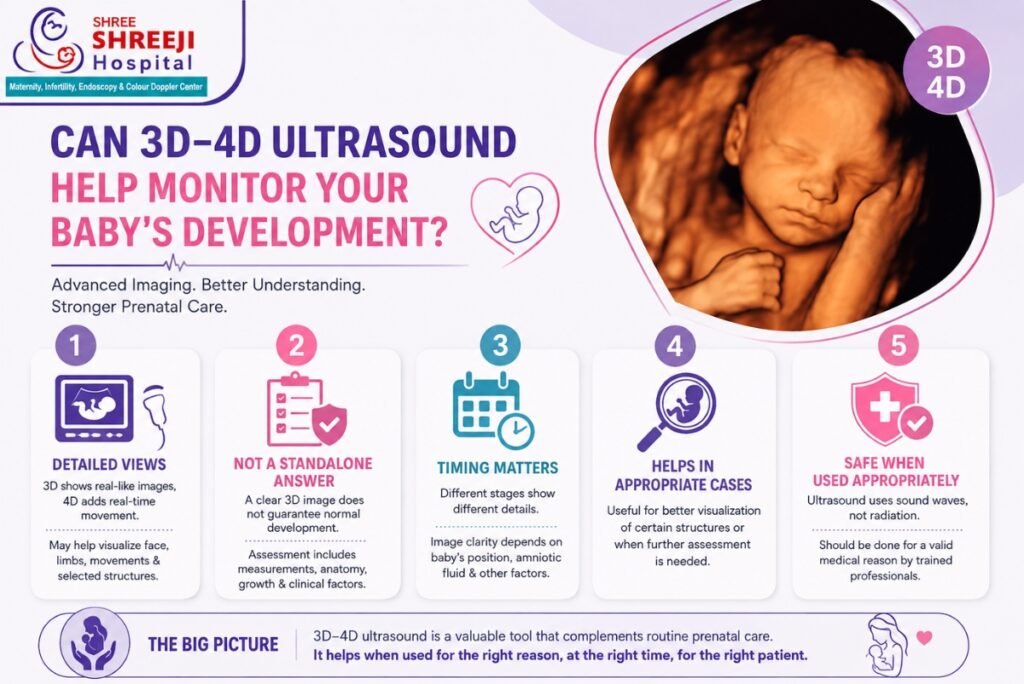
Introduction Pregnancy brings many questions about whether a baby is growing normally and developing as expected. Ultrasound is an important part of prenatal care because it allows healthcare professionals to assess the pregnancy without using radiation. When more detailed imaging is appropriate, 3D and 4D ultrasound can provide additional views of the baby and certain anatomical structures. For patients looking for the best 3D-4D sonography center in Ahmedabad, it is important to understand that 3D-4D sonography is not simply about getting clearer pictures of the baby. Its usefulness depends on the stage of pregnancy, the reason for the examination, the baby’s position, and the quality of the images obtained. A 3D ultrasound creates a three-dimensional image, while 4D ultrasound adds movement in real time. These technologies can complement routine pregnancy scans when used for an appropriate clinical purpose. What Can 3D-4D Imaging Show During Pregnancy? Traditional ultrasound produces two-dimensional images that healthcare professionals use to evaluate fetal structures, growth, and the pregnancy environment. 3D ultrasound processes multiple image planes to create a three-dimensional representation. 4D ultrasound takes this a step further by displaying those three-dimensional images as moving images. Depending on the pregnancy stage and imaging conditions, these techniques may provide additional visualization of features such as: The baby’s facial structures Limbs and body contours Certain external anatomical features Fetal movements Selected anatomical structures that may benefit from additional visualization However, a 3D or 4D image does not automatically provide a more complete assessment of every aspect of fetal health. Standard two-dimensional ultrasound remains an important part of prenatal imaging, and specialized examinations may be required when a particular concern needs closer assessment. Does Seeing the Baby in 3D Mean Development Is Normal? Not necessarily. A detailed-looking image can be reassuring for parents, but the appearance of a 3D picture alone cannot confirm that every aspect of fetal development is normal. Assessment of fetal growth and anatomy involves measurements, imaging from different views, pregnancy history, gestational age, and other clinical information. A healthcare professional may assess factors such as: Fetal growth and measurements Development of major anatomical structures Fetal movement Position of the baby Placental location Amniotic fluid Other findings relevant to the stage of pregnancy This is why 3D-4D sonography should be viewed as an imaging tool rather than a standalone test that can guarantee a healthy pregnancy. When Can 3D-4D Ultrasound Add Useful Information? The value of 3D-4D imaging varies from one pregnancy to another. In some situations, a healthcare professional may consider additional imaging when certain structures need better visualization or when a finding on a routine scan requires further assessment. It may also help provide a different perspective on selected fetal anatomical features. In some cases, three-dimensional reconstruction can assist the clinician in understanding the spatial relationship of structures. The decision to use this technology should therefore be based on the medical purpose of the scan rather than simply choosing the most advanced-looking imaging option. Parents should also understand that image quality can vary considerably. The baby’s position, movement, gestational age, amount of amniotic fluid, and other factors can affect how clearly particular structures are seen. Why Does the Timing of the Scan Matter? There is no single week that produces the same type of useful information for every pregnancy. Different stages of pregnancy allow healthcare professionals to evaluate different aspects of fetal development. Earlier scans may focus on specific developmental milestones, while later examinations can provide information about growth, anatomy, position, and other pregnancy-related findings. For 3D-4D imaging, the baby’s position can be particularly important. If the baby’s face is turned away, or if another structure is between the ultrasound probe and the area being examined, obtaining a clear image may be difficult. This means that an unclear 3D image does not necessarily indicate a problem with the baby. It may simply reflect the baby’s position or the conditions during the examination. Can 3D-4D Sonography Detect Developmental Problems? Ultrasound can help healthcare professionals evaluate many aspects of fetal anatomy and development, and 3D imaging can sometimes provide additional visualization of certain structures. However, no ultrasound technique can identify every possible fetal or pregnancy-related condition. Some findings may be difficult to detect because of fetal position, gestational age, image quality, or the nature of the condition itself. If a routine scan identifies something that requires closer evaluation, your doctor may recommend a targeted or detailed ultrasound examination. Depending on the finding and the pregnancy, additional testing or specialist assessment may also be considered. The purpose is not to create unnecessary concern but to make sure that any significant finding is evaluated appropriately. What Should Parents Expect During a 3D-4D Scan? A 3D-4D ultrasound is generally performed using an ultrasound transducer placed over the abdomen with ultrasound gel. The healthcare professional moves the probe across the area being examined to obtain the required images. The scan may take varying amounts of time depending on the purpose of the examination and how easily the relevant structures can be visualized. Parents may see recognizable images of the baby’s face, hands, feet, or movements when conditions are favorable. However, the ability to obtain such images should not be considered the primary measure of the quality or medical value of the examination. If the baby’s position makes imaging difficult, the healthcare professional may need to obtain views from different angles or continue the assessment according to the clinical purpose of the scan. Is 3D-4D Ultrasound Safe During Pregnancy? Ultrasound uses sound waves rather than ionizing radiation. Diagnostic ultrasound has been used extensively in pregnancy, but it should still be performed for appropriate medical purposes by trained professionals using suitable equipment and settings. The fact that a technology is considered useful does not mean that more scanning is always better. Unnecessary or prolonged exposure should be avoided, particularly when there is no medical reason for additional imaging. For this reason, patients should follow the recommendations of their obstetrician or qualified ultrasound professional regarding when an examination is appropriate. If you are

Can 3D-4D Ultrasound Help Monitor Your Baby’s Development? Read More »

Could Early Fertility Evaluation Improve IVF Treatment Planning?

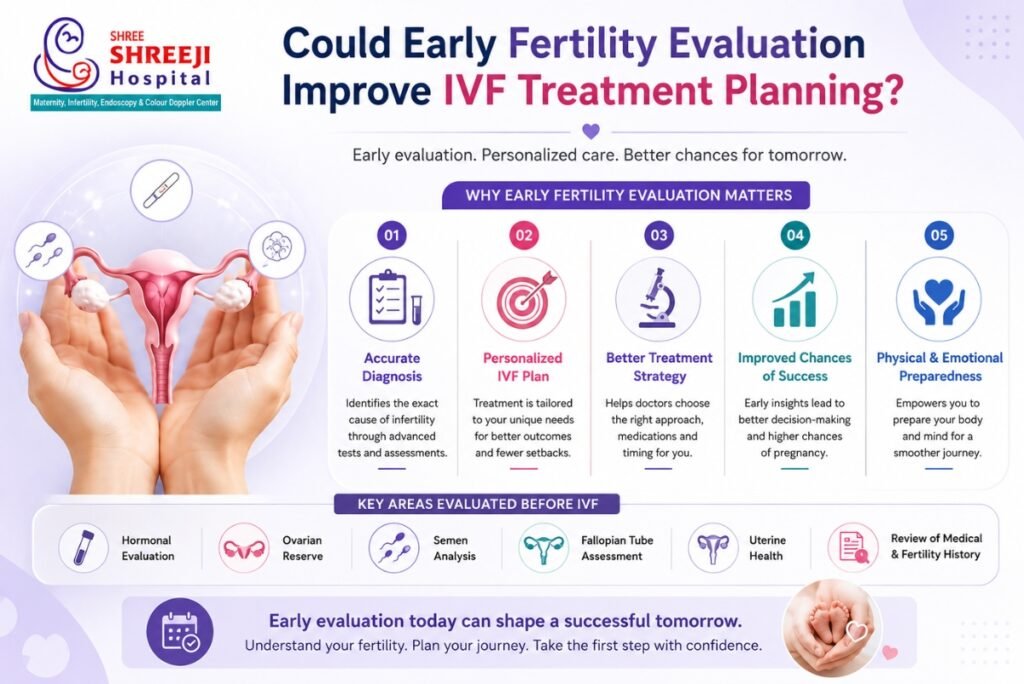
Introduction For many individuals and couples, the journey to parenthood is not always straightforward. When pregnancy does not occur despite appropriate attempts or previous fertility treatments, In Vitro Fertilization (IVF) may become a recommended option. If you are exploring an ivf center in Ahmedabad, understanding how IVF works, when it is recommended, and what influences treatment outcomes can help you make informed decisions with realistic expectations. IVF is one of the most established assisted reproductive technologies available today. It involves fertilizing an egg with sperm in a controlled laboratory environment before transferring the resulting embryo into the uterus. While IVF has helped many families achieve pregnancy, it is a carefully planned medical process that begins with a comprehensive fertility evaluation rather than the procedure itself. Recognizing When IVF May Be Considered IVF is not always the first fertility treatment recommended. Doctors typically evaluate the underlying cause of infertility before deciding whether IVF is the most appropriate option. IVF may be considered in situations such as: Blocked or damaged fallopian tubes Moderate to severe male factor infertility Advanced endometriosis Diminished ovarian reserve Ovulation disorders that have not responded to treatment Unexplained infertility after other treatments Recurrent failure of less invasive fertility procedures Certain genetic conditions requiring specialized reproductive planning The treatment recommendation depends on each patient’s medical history, fertility evaluation, and reproductive goals. Why Accurate Fertility Diagnosis Matters Before starting IVF, healthcare professionals perform a detailed assessment to understand the factors affecting fertility. The evaluation may include: Hormonal blood tests Ovarian reserve assessment Semen analysis Pelvic ultrasound Fallopian tube evaluation Uterine cavity assessment Review of previous pregnancies or fertility treatments Identifying the exact cause of infertility allows doctors to create a personalized treatment plan rather than applying the same approach to every patient. Understanding the Stages of an IVF Cycle An IVF cycle follows several carefully coordinated steps to maximize the chances of successful fertilization. The process generally includes: Initial fertility consultation Ovarian stimulation with medication Monitoring follicle development Egg retrieval procedure Laboratory fertilization Embryo development Embryo transfer Pregnancy testing after the recommended interval Each stage is monitored closely, allowing adjustments based on the patient’s individual response to treatment. Factors That Can Influence IVF Outcomes The success of IVF depends on multiple medical and biological factors rather than a single procedure. Important considerations include: Female age Egg quality Sperm quality Embryo development Uterine health Body weight Lifestyle habits Duration and cause of infertility Understanding these factors helps patients develop realistic expectations before beginning treatment. Many individuals searching for an ivf center in Ahmedabad often compare treatment options based only on technology or convenience. However, comprehensive fertility evaluation, individualized treatment planning, laboratory quality, careful monitoring, and transparent medical guidance are equally important when choosing fertility care. Preparing Yourself Before Starting IVF Physical and emotional preparation plays an important role throughout the treatment journey. Patients are commonly advised to: Maintain a balanced diet Achieve a healthy body weight Stop smoking and tobacco use Limit alcohol intake Follow prescribed medications carefully Manage stress through healthy coping strategies Attend every scheduled monitoring appointment Preparing well before treatment supports overall reproductive health and helps patients feel more confident throughout the process. Common Misconceptions About IVF Misunderstandings about IVF can create unnecessary fear and unrealistic expectations. Myth: IVF guarantees pregnancy. Fact: While IVF improves pregnancy opportunities for many patients, no fertility treatment can guarantee success. Myth: IVF is only for women. Fact: Fertility challenges may involve male factors, female factors, both partners, or remain unexplained. Myth: Every IVF cycle follows the same plan. Fact: Treatment protocols are personalized according to each patient’s medical condition and fertility evaluation. Myth: IVF always results in multiple pregnancies. Fact: The likelihood depends on factors such as the number of embryos transferred and current medical recommendations. Emotional Well-Being Is an Important Part of Fertility Care The IVF journey often involves hope, uncertainty, and emotional challenges. Maintaining psychological well-being throughout treatment is just as important as addressing physical health. Helpful strategies include: Discussing concerns openly with healthcare providers Seeking support from family or trusted friends Setting realistic treatment expectations Maintaining daily routines Practicing stress-management techniques Understanding that each fertility journey is unique Emotional support helps patients navigate treatment with greater resilience. Knowing That Every Fertility Journey Is Different No two patients share the same fertility history or treatment experience. Age, reproductive health, previous pregnancies, medical conditions, and laboratory findings all influence clinical decision-making. Rather than comparing outcomes with others, patients should focus on individualized care plans based on their own fertility assessment. Women and couples receiving fertility guidance from Dr. Bhaumik Shah are encouraged to understand every stage of treatment, participate actively in decision-making, and ask questions throughout their fertility journey so that care remains personalized and evidence-based. Taking the Next Step With Confidence Beginning IVF treatment is a significant decision that should be based on accurate diagnosis, clear communication, and individualized medical planning. If you are considering an ivf center in Ahmedabad, prioritize comprehensive fertility assessment, personalized treatment strategies, and realistic expectations over choosing care based solely on convenience. A thoughtful and informed approach provides the strongest foundation for moving forward with confidence while pursuing your parenthood goals.  

Could Early Fertility Evaluation Improve IVF Treatment Planning? Read More »

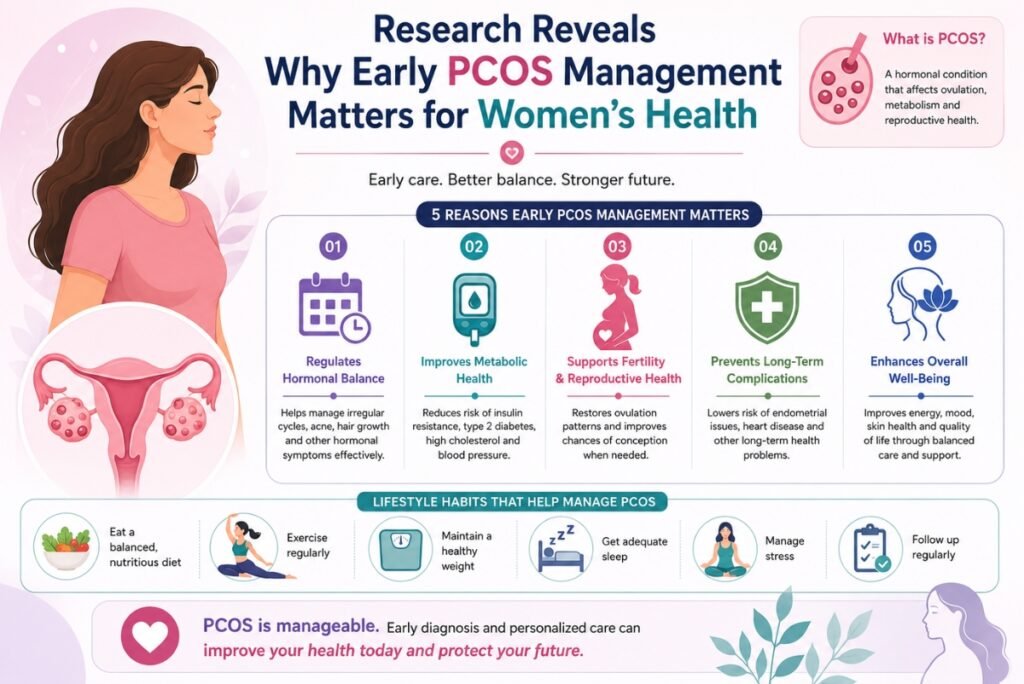
Research Reveals Why Early PCOS Management Matters for Women’s Health

Introduction Living with irregular periods, acne, unwanted hair growth, or difficulty managing weight can be frustrating, especially when the underlying cause is not immediately clear. One of the most common hormonal conditions affecting women of reproductive age is Polycystic Ovary Syndrome (PCOS). If you are exploring pcos treatment in ahmedabad, understanding the condition, its long-term health implications, and the importance of timely management can help you make informed healthcare decisions. PCOS is a complex hormonal disorder that affects ovulation, metabolism, and reproductive health. Although its symptoms vary from one woman to another, early diagnosis and individualized treatment can help manage symptoms and reduce the risk of future health complications. When Hormonal Changes Become More Than Occasional Symptoms Many women experience occasional changes in their menstrual cycle, but persistent hormonal symptoms should not be ignored. Signs that may indicate PCOS include: Irregular or missed menstrual periods Excess facial or body hair Persistent acne beyond adolescence Difficulty losing weight Thinning hair on the scalp Darkened skin around the neck or underarms Difficulty conceiving due to irregular ovulation Experiencing one or more of these symptoms does not automatically confirm PCOS, but they should prompt medical evaluation. Understanding Why PCOS Develops The exact cause of PCOS remains unclear, but researchers believe several factors contribute to its development. These may include: Hormonal imbalance Insulin resistance Genetic predisposition Elevated androgen levels Metabolic abnormalities Because multiple systems within the body are involved, treatment usually focuses on managing symptoms while addressing the underlying hormonal imbalance. How Doctors Confirm a PCOS Diagnosis Diagnosing PCOS involves more than identifying irregular periods. Healthcare professionals evaluate symptoms, medical history, physical findings, and laboratory investigations before making a diagnosis. Assessment may include: Menstrual history Physical examination Pelvic ultrasound Hormonal blood tests Blood sugar evaluation Lipid profile Thyroid assessment when indicated A comprehensive evaluation also helps exclude other medical conditions with similar symptoms. Why PCOS Can Affect More Than Fertility Although PCOS is often discussed in relation to fertility, it can influence several aspects of long-term health. Women with PCOS may have an increased risk of: Insulin resistance Type 2 diabetes High blood pressure Elevated cholesterol Sleep disturbances Endometrial abnormalities Anxiety and depression Regular medical follow-up helps monitor these risks and supports long-term health management. Many women searching for pcos treatment in ahmedabad are primarily concerned about irregular periods or pregnancy. However, effective PCOS management also focuses on hormonal balance, metabolic health, emotional well-being, and reducing future health risks through a personalized treatment plan. Treatment Is Personalized for Every Woman There is no single treatment that works for everyone with PCOS. Management depends on symptoms, age, reproductive goals, and overall health. Treatment options may include: Lifestyle modifications Nutritional guidance Regular physical activity Weight management strategies Medications to regulate menstrual cycles Ovulation induction when pregnancy is desired Treatment for acne or excess hair growth Monitoring of metabolic health The treatment approach may change over time as health goals evolve. Lifestyle Habits That Support PCOS Management Healthy daily habits often play a significant role in managing PCOS symptoms. Healthcare professionals commonly recommend: Following a balanced diet Maintaining regular exercise Achieving a healthy body weight Sleeping adequately Managing stress Limiting highly processed foods Attending regular medical follow-ups Even modest lifestyle improvements can positively influence hormonal balance and overall well-being. Common Misconceptions About PCOS Several myths continue to create confusion about the condition. Myth: PCOS only affects fertility. Fact: PCOS can also influence metabolism, cardiovascular health, skin, and emotional well-being. Myth: Women with PCOS cannot become pregnant. Fact: Many women with PCOS conceive naturally or with appropriate medical treatment. Myth: Irregular periods are always normal. Fact: Persistent menstrual irregularities should always be medically evaluated. Myth: Weight gain is the sole cause of PCOS. Fact: While body weight may influence symptoms, PCOS is primarily a hormonal and metabolic disorder. The Importance of Regular Follow-Up Because PCOS is a long-term condition, ongoing medical care remains essential even after symptoms improve. Regular follow-up helps monitor: Menstrual health Blood sugar levels Blood pressure Weight changes Hormonal balance Reproductive health Response to treatment Continuous monitoring allows treatment plans to be adjusted according to changing health needs. Taking Control of Your Long-Term Health Managing PCOS involves more than treating individual symptoms. It requires understanding the condition, identifying contributing factors, and following a personalized care plan that supports both reproductive and overall health. Women receiving guidance from Dr. Bhaumik Shah are encouraged to participate actively in treatment decisions through education, regular monitoring, and evidence-based medical care tailored to their individual health goals. If you are considering pcos treatment in ahmedabad, focus on early diagnosis, comprehensive evaluation, and individualized management rather than short-term symptom relief alone. A proactive approach helps improve quality of life, supports future reproductive health, and promotes long-term hormonal and metabolic well-being.

Research Reveals Why Early PCOS Management Matters for Women’s Health Read More »

What Couples Should Know Before Starting IUI Treatment

When the Journey to Parenthood Takes Longer Than Expected Starting a family is a cherished dream for many couples. While some conceive naturally without difficulty, others may face unexpected challenges along the way. Difficulty achieving pregnancy can bring emotional stress, uncertainty, and countless questions. Fortunately, advancements in reproductive medicine have created effective treatment options that offer renewed hope. One such treatment is Intrauterine Insemination, commonly known as IUI. This procedure has helped many couples move closer to their goal of parenthood through a relatively simple and less invasive fertility approach. Individuals searching for the best IUI center in Ahmedabad often seek experienced specialists, personalized treatment plans, and compassionate support throughout the fertility journey. At Shree Shreeji Women’s Hospital, fertility care focuses on understanding each couple’s unique circumstances and providing guidance every step of the way. Understanding What IUI Means IUI, or Intrauterine Insemination, is a fertility treatment designed to improve the chances of fertilization by placing specially prepared sperm directly into the uterus during ovulation. By reducing the distance sperm must travel, the procedure can increase the likelihood of sperm reaching the egg at the right time. IUI is generally considered: Less invasive than many advanced fertility treatments Relatively simple to perform Suitable for selected fertility conditions A commonly recommended first-line treatment option The decision to proceed with IUI depends on several medical factors identified during fertility evaluation. Who May Benefit From IUI Treatment? IUI may be considered for couples experiencing specific reproductive challenges. A thorough assessment helps determine whether this treatment is appropriate. Situations where IUI may be recommended include: Mild male factor infertility Unexplained infertility Ovulation-related concerns Cervical factors affecting conception Fertility support using donor sperm when medically indicated Because every fertility journey is different, individualized evaluation remains essential before treatment begins. The Importance of Fertility Assessment Before recommending IUI, specialists typically perform investigations to understand possible causes of infertility. These evaluations help create a treatment strategy tailored to each couple’s needs. Assessments may involve: Hormonal evaluations Ovulation monitoring Ultrasound examinations Semen analysis Review of medical history Identifying underlying factors allows healthcare providers to maximize treatment effectiveness while guiding patients realistically. Understanding the IUI Process Many couples feel anxious simply because they are unfamiliar with the procedure. Knowing what to expect often provides reassurance. Initial Consultation – Doctors review medical history, previous treatments, menstrual patterns, and investigation reports to determine suitability. Ovulation Monitoring – The timing of insemination is critical. Monitoring helps identify the most fertile period. This may involve ultrasound scans and hormonal assessments. Sperm Preparation – A semen sample is collected and processed carefully in the laboratory. Healthy and motile sperm are selected for insemination. The Insemination Procedure – Prepared sperm is introduced into the uterus using a thin catheter. The procedure is usually brief and performed without anesthesia. Follow-Up Care – Patients receive guidance regarding medications, lifestyle recommendations, and pregnancy testing timelines. Understanding each phase helps couples approach treatment with confidence and clarity. Emotional Well-Being During Fertility Treatment Infertility affects more than physical health. Emotional stress, disappointment, and anxiety are common experiences for many couples. Maintaining emotional well-being is equally important throughout treatment. Helpful strategies include: Open communication with your partner Seeking accurate medical information Managing stress through relaxation techniques Building a supportive environment Asking questions whenever concerns arise Compassionate healthcare teams recognize these emotional aspects and strive to provide encouragement throughout the process. Lifestyle Habits That Support Fertility While medical treatment plays an important role, healthy lifestyle choices may contribute positively to reproductive health. Women and men are often encouraged to focus on: Eating a balanced and nutritious diet Maintaining a healthy weight Engaging in regular physical activity Getting adequate sleep Avoiding tobacco and excessive alcohol consumption Small changes in daily habits can support overall wellness during fertility treatment. Factors That Influence IUI Success The outcome of IUI treatment depends on multiple variables rather than a single factor. Important considerations include: Female age Duration of infertility Ovulation quality Sperm characteristics Underlying fertility conditions Understanding these factors helps set realistic expectations while promoting informed decision-making. Couples exploring the best IUI center in Ahmedabad often value transparency regarding treatment possibilities and individualized recommendations. Benefits of Choosing Shree Shreeji Women’s Hospital Shree Shreeji Women’s Hospital provides fertility care designed around the unique needs of each patient. Patients benefit from: Experienced fertility specialists and dedicated support staff Personalized fertility evaluation and treatment planning Advanced diagnostic and monitoring facilities Compassionate guidance throughout the treatment journey Patient-focused communication and follow-up care The goal is to create a supportive environment where couples feel respected, informed, and confident about their treatment decisions. Managing Expectations Throughout Treatment Every fertility experience is unique. Some couples achieve pregnancy sooner, while others may require multiple cycles or alternative treatment approaches. It is important to remember that treatment timelines vary. Healthcare providers help patients by: Explaining realistic expectations Reviewing progress regularly Adjusting treatment plans when necessary Addressing concerns promptly Patience and trust in the treatment process often contribute to a more positive experience. Knowing When to Seek Fertility Guidance Seeking professional advice early can help identify concerns before valuable time is lost. Couples may consider evaluation if: Pregnancy has not occurred after trying for an extended period Menstrual cycles are irregular Previous reproductive health conditions exist There is a known male fertility concern Maternal age is becoming an important consideration Timely consultation supports early diagnosis and informed planning. Building Hope Through Modern Fertility Care Advancements in reproductive medicine continue to provide hope to couples pursuing parenthood. Treatments such as IUI offer an opportunity to address selected fertility challenges through an approach that is less invasive and thoughtfully planned. Choosing the best IUI center in Ahmedabad means seeking a healthcare team that combines medical expertise with empathy, transparency, and personalized attention. Shree Shreeji Women’s Hospital remains committed to supporting couples throughout their fertility journey with advanced reproductive care, individualized treatment strategies, and compassionate guidance. With the right support and timely medical intervention, many couples can move one step closer to welcoming the family they have always dreamed

What Couples Should Know Before Starting IUI Treatment Read More »

Preparing for Motherhood: What to Expect from Quality Maternity Care

Beginning the Journey to Motherhood Motherhood is one of the most transformative experiences in a woman’s life. From the moment pregnancy is confirmed, every decision made contributes to the health and well-being of both the mother and the baby. Quality maternity care provides the medical guidance, emotional reassurance, and continuous support needed throughout this remarkable journey. Pregnancy brings excitement, anticipation, and sometimes uncertainty. Access to experienced healthcare professionals and modern medical facilities can help expectant mothers navigate each stage of pregnancy with confidence. Women searching for the best maternity hospital in Ahmedabad often prioritize safety, expertise, and compassionate care that supports them before, during, and after childbirth. At Shree Shreeji Women’s Hospital, maternity services are designed to provide personalized care tailored to the unique needs of every mother and baby. The Importance of Early Prenatal Care Early prenatal care forms the foundation of a healthy pregnancy. Scheduling medical consultations soon after pregnancy confirmation allows healthcare providers to evaluate maternal health and identify any potential concerns. Early pregnancy visits often include: Medical history assessment Confirmation of pregnancy Physical examinations Blood investigations Nutritional recommendations Guidance regarding lifestyle modifications Regular prenatal appointments help monitor fetal development and ensure that both mother and baby receive the care they need throughout pregnancy. Understanding the Different Stages of Pregnancy Pregnancy is generally divided into three trimesters, each characterized by specific developmental milestones and maternal changes. First Trimester – During the initial weeks of pregnancy, the baby’s major organs begin to develop. Mothers may experience fatigue, nausea, and hormonal changes. Healthcare priorities during this stage include: Confirming pregnancy viability Establishing prenatal care plans Addressing nutritional needs Identifying risk factors Second Trimester – Often considered the most comfortable phase of pregnancy, the second trimester involves significant fetal growth. Monitoring during this stage focuses on: Routine health assessments Ultrasound evaluations Monitoring maternal well-being Detecting potential complications Third Trimester – As childbirth approaches, healthcare providers closely monitor both mother and baby. Areas of focus include: Fetal growth assessments Birth planning discussions Preparing for labor Monitoring maternal health conditions Understanding these stages helps mothers prepare physically and emotionally for the arrival of their baby. Nutrition and Healthy Lifestyle Choices During Pregnancy Proper nutrition plays a vital role in supporting a healthy pregnancy. A balanced diet provides essential nutrients required for fetal growth and maternal health. Important dietary considerations include: Adequate protein intake Iron-rich foods Calcium sources Folic acid supplementation Hydration Fresh fruits and vegetables In addition to nutrition, maintaining healthy habits contributes to positive pregnancy outcomes. Recommended lifestyle practices include: Regular physical activity as advised by healthcare providers Adequate rest Stress management Avoiding harmful substances Following prescribed supplements Professional guidance ensures that mothers make informed choices that support their well-being throughout pregnancy. Monitoring Baby’s Growth and Development Routine prenatal evaluations provide valuable information about fetal growth and development. These assessments help healthcare providers ensure that the pregnancy is progressing normally. Monitoring may include: Ultrasound examinations Measuring fetal growth Tracking fetal movements Monitoring maternal weight gain Assessing vital signs Women often seek care at the best maternity hospital in Ahmedabad to benefit from advanced monitoring technologies and experienced medical supervision. Regular assessments provide reassurance and allow timely intervention if concerns arise. Managing High-Risk Pregnancies Certain pregnancies require additional medical attention due to specific health conditions or complications. Factors associated with high-risk pregnancies may include: High blood pressure Diabetes during pregnancy Thyroid disorders Multiple pregnancies Previous pregnancy complications Advanced maternal age Specialized monitoring and individualized treatment plans help reduce risks while supporting healthier outcomes for both mother and baby. Close communication between patients and healthcare professionals is essential during these situations. Preparing for Labor and Delivery As the due date approaches, expectant mother benefit from understanding the labor and delivery process. Education helps reduce anxiety and promotes confidence. Preparation often includes: Discussing birth preferences Understanding signs of labor Learning pain management options Planning hospital admission Preparing essential items for delivery Healthcare providers also educate mothers and families about emergency situations and when immediate medical attention is necessary. Proper preparation enables women to approach childbirth with greater confidence and peace of mind. The Importance of Compassionate Maternity Support Pregnancy involves emotional changes as well as physical adjustments. Compassionate care creates a positive healthcare experience and encourages open communication. Supportive maternity care focuses on: Respecting patient preferences Providing emotional reassurance Encouraging family involvement Addressing concerns promptly Offering clear explanations A caring environment helps mothers feel valued, informed, and supported throughout their journey. Benefits of Choosing Shree Shreeji Women’s Hospital Shree Shreeji Women’s Hospital is dedicated to delivering maternity care centered around safety, comfort, and individualized attention. Patients benefit from: Experienced maternity specialists Personalized pregnancy care plans Modern diagnostic facilities Advanced fetal monitoring systems Guidance throughout pregnancy and childbirth Safe and hygienic infrastructure Continuous medical support Compassionate patient care The hospital strives to create an environment where mothers can experience confidence and comfort at every stage of their pregnancy journey. Recovery and Care After Childbirth Postnatal care is equally important in supporting the health of both mother and newborn. Recovery following childbirth involves physical healing, emotional adjustment, and adapting to new responsibilities. Post-delivery care may include: Monitoring maternal recovery Newborn health evaluations Breastfeeding guidance Nutritional counseling Emotional well-being support Follow-up consultations Ongoing care helps mothers regain strength and address any concerns that may arise during the postpartum period. Breastfeeding and Early Infant Care Guidance Breastfeeding provides important nutritional and emotional benefits for newborns while supporting maternal health. Healthcare providers may offer guidance regarding: Proper breastfeeding techniques Feeding schedules Managing common breastfeeding challenges Recognizing infant hunger cues Maintaining maternal nutrition Education empowers mothers to make informed decisions that support their baby’s early development. Building Confidence Through Patient Education Knowledge plays a powerful role in helping women navigate pregnancy and motherhood successfully. Educational support enables mothers to understand the changes occurring within their bodies and prepare for the responsibilities ahead. Important topics often discussed include: Pregnancy expectations Warning signs requiring medical attention Infant care basics Emotional health awareness Family support strategies Well-informed mothers often feel more confident

Preparing for Motherhood: What to Expect from Quality Maternity Care Read More »

Modern Approaches to Gynecological Care and Treatment

The Evolving Landscape of Women’s Healthcare Women’s healthcare has transformed significantly over the years. Advancements in medical science, improved diagnostic methods, and patient-focused treatment approaches have changed the way gynecological conditions are diagnosed and managed. Today’s gynecological care extends beyond treating illnesses. It emphasizes prevention, early intervention, education, and long-term wellness. Women experience different healthcare needs throughout adolescence, reproductive years, pregnancy, and menopause. Having access to specialized medical guidance allows them to address health concerns confidently while maintaining their quality of life. Many women now seek healthcare providers who combine expertise, compassion, and modern treatment strategies. Consulting the best gynecologist in Ahmedabad can provide reassurance, accurate diagnosis, and personalized care tailored to individual needs. Why Modern Gynecological Care Matters Modern gynecology focuses on improving health outcomes through early detection and minimally invasive approaches whenever possible. Instead of treating conditions only after symptoms become severe, healthcare professionals encourage regular evaluations and preventive screenings. Benefits of contemporary gynecological care include: Early identification of health concerns Improved treatment outcomes Better reproductive health support Enhanced patient comfort Reduced recovery periods Personalized healthcare planning Women who prioritize regular checkups are often better prepared to manage health concerns before complications arise. The Importance of Early Health Assessments Routine gynecological evaluations help identify subtle changes that may indicate underlying health conditions. Many disorders develop gradually and remain unnoticed during their early stages. Regular assessments can help monitor: Menstrual health Hormonal balance Cervical health Breast health Fertility status Pelvic wellness Timely diagnosis allows healthcare providers to recommend suitable treatment plans that support long-term well-being. Advanced Diagnostic Techniques in Gynecology Accurate diagnosis forms the foundation of effective treatment. Technological advancements have made diagnostic procedures more precise and efficient. Modern diagnostic methods may include: Digital Ultrasound Imaging – Ultrasound technology assists in evaluating reproductive organs and monitoring pregnancy development. Laboratory Investigations – Blood tests and hormone assessments help identify underlying medical concerns affecting reproductive health. Cervical Screening – Regular cervical assessments contribute to the early detection of abnormalities. Pelvic Evaluations – Clinical examinations help assess symptoms such as pelvic discomfort and irregular bleeding. These tools allow healthcare professionals to make informed decisions while developing individualized treatment strategies. Minimally Invasive Treatment Approaches One of the most significant developments in gynecology is the increasing use of minimally invasive procedures. These approaches offer effective treatment while improving patient comfort. Potential benefits include: Smaller incisions Reduced pain Shorter hospital stays Faster recovery Lower risk of complications Modern procedures are designed to help women resume their normal activities more quickly while achieving positive treatment outcomes. Managing Common Gynecological Conditions Women may experience a variety of gynecological conditions that require medical attention during different stages of life. Polycystic Ovary Syndrome (PCOS) – PCOS can affect menstrual cycles, fertility, and metabolic health. Early diagnosis supports better symptom management and lifestyle planning. Uterine Fibroids – Fibroids are common growths that may contribute to heavy bleeding, pelvic pressure, or discomfort. Endometriosis – This condition occurs when tissue similar to the uterine lining develops outside the uterus, often causing chronic pain. Menstrual Disorders – Irregular periods, severe cramps, and excessive bleeding can significantly affect daily activities and should be evaluated promptly. Appropriate treatment plans help improve comfort and support reproductive wellness. Fertility Care and Reproductive Planning Family planning is an important aspect of women’s healthcare. Couples experiencing challenges with conception often benefit from early evaluation and guidance. Fertility assessments may include: Hormonal evaluations Ovulation monitoring Ultrasound examinations Reproductive health assessments Personalized fertility support allows couples to understand available options and make informed decisions about their future. Many women seeking the best gynecologist in Ahmedabad value access to compassionate fertility counseling and evidence-based recommendations. Pregnancy Monitoring in Modern Healthcare Pregnancy care has evolved considerably with advancements in medical technology and prenatal monitoring. Quality maternity services often involve: Routine prenatal consultations Fetal growth assessments Nutritional guidance Ultrasound evaluations Monitoring maternal health Delivery preparation Postnatal follow-up Continuous supervision throughout pregnancy contributes to healthier outcomes for both mother and baby. Addressing High-Risk Pregnancy Needs Certain pregnancies require additional monitoring and specialized support. Factors that may increase pregnancy-related risks include: Gestational diabetes Hypertension Thyroid disorders Multiple pregnancies Previous obstetric complications Advanced maternal age Individualized care plans and regular follow-up help manage these situations effectively and improve maternal confidence. The Growing Role of Preventive Healthcare Preventive healthcare remains one of the most valuable aspects of modern gynecological practice. Routine screenings can identify potential concerns before they progress. Preventive services may include: Annual health evaluations Cervical health assessments Breast examinations Hormonal screenings Lifestyle counseling Wellness guidance Encouraging women to prioritize preventive care contributes to healthier communities and better long-term outcomes. Benefits of Choosing Shree Shreeji Women’s Hospital Shree Shreeji Women’s Hospital is committed to providing women’s healthcare services that prioritize safety, comfort, and individualized attention. Patients benefit from: Experienced women’s healthcare specialists Advanced diagnostic facilities Personalized treatment planning Dedicated maternity support Fertility guidance and evaluation Patient-focused communication Safe and hygienic infrastructure Ongoing follow-up and support The hospital aims to create a welcoming environment where women feel empowered to discuss their health concerns openly and confidently. Menopause and Hormonal Wellness Menopause represents another important stage in a woman’s healthcare journey. Hormonal fluctuations during this transition can influence physical and emotional well-being. Women may experience: Hot flashes Sleep disturbances Mood changes Fatigue Bone health concerns Joint discomfort Professional support helps women understand these changes while identifying strategies to maintain comfort and overall wellness. Personalized Care Improves Patient Experiences No two women share identical healthcare needs. Personalized care recognizes differences in age, lifestyle, medical history, and future goals. Individualized treatment plans help: Improve communication Enhance patient satisfaction Support accurate diagnosis Encourage treatment adherence Promote long-term wellness Women searching for the best gynecologist in Ahmedabad often prioritize healthcare providers who take time to understand their unique concerns and expectations. Embracing Modern Care for a Healthier Tomorrow Advancements in gynecological care continue to improve the way women experience healthcare. From preventive screenings and minimally invasive procedures to pregnancy support and hormonal health management, modern treatment approaches empower women to take charge

Modern Approaches to Gynecological Care and Treatment Read More »