
Introduction
A pregnancy that requires closer medical attention can bring many questions for an expectant mother and her family. Conditions such as high blood pressure, diabetes, thyroid problems, multiple pregnancy, previous pregnancy complications, or certain maternal and fetal concerns may require more frequent monitoring than a routine pregnancy.
For someone looking for the best maternity hospital in Ahmedabad, understanding how high-risk pregnancy care is organized can be more useful than simply comparing hospital names. The right maternity setting should be able to assess individual risks, monitor changes throughout pregnancy, and coordinate care when additional medical support is needed.
What Makes a Pregnancy High Risk?
A high-risk pregnancy does not necessarily mean that a serious complication will occur. It means that certain factors may increase the possibility of complications for the mother, baby, or both.
Some pregnancies may be considered higher risk because of:
- High blood pressure or preeclampsia
- Gestational or pre-existing diabetes
- Thyroid disorders or other medical conditions
- Multiple pregnancy, such as twins
- Placental problems
- Previous pregnancy or delivery complications
- Previous premature birth
- Maternal age or other individual risk factors
- Concerns about fetal growth or development
The level of risk can also change during pregnancy. A woman who initially has a routine pregnancy may develop a condition later that requires closer observation. This is why regular antenatal care remains important even when pregnancy begins without obvious concerns.
How Does Closer Monitoring Help During Pregnancy?
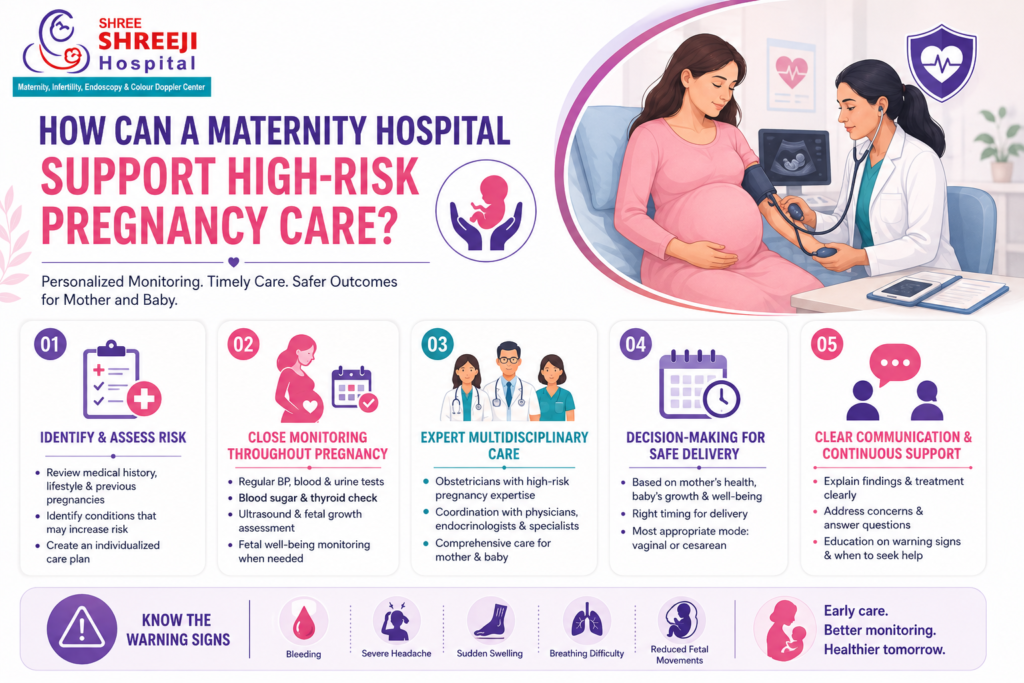
High-risk pregnancy care often involves more individualized monitoring than standard antenatal care. The exact schedule depends on the mother’s health, gestational age, medical history, and the baby’s condition.
Monitoring may include regular blood pressure checks, blood tests, urine tests, blood glucose assessment, fetal growth evaluation, and ultrasound examinations when clinically indicated.
Depending on the situation, fetal monitoring may also be recommended to assess the baby’s heart rate and overall well-being. These assessments help the healthcare team identify changes that may require additional evaluation or treatment.
The purpose is not simply to perform more tests. Each assessment should have a clinical reason and help the healthcare team make informed decisions about continuing pregnancy care.
When Does a High-Risk Pregnancy Need Specialist Attention?
Some conditions can benefit from early assessment by an obstetrician experienced in managing pregnancies with additional medical concerns. The timing of specialist involvement varies according to the condition.
For example, a woman with diabetes may need careful blood sugar management because poorly controlled glucose levels can affect pregnancy outcomes. Similarly, high blood pressure may require regular monitoring because it can become more significant as pregnancy progresses.
A history of previous complications can also influence the current care plan. Your doctor may review what happened during the earlier pregnancy and determine whether additional surveillance is appropriate this time.
In some cases, the maternity team may coordinate with other specialists, such as physicians, endocrinologists, or fetal medicine specialists, depending on the mother’s needs.
What Role Does Ultrasound and Fetal Monitoring Play?
Ultrasound can provide important information about fetal growth, placental location, amniotic fluid, and other aspects of pregnancy when an examination is medically indicated.
However, an ultrasound does not replace the complete clinical assessment of the mother and baby. A healthcare professional considers ultrasound findings together with symptoms, medical history, physical examination, blood pressure, laboratory results, and the stage of pregnancy.
For women searching for the best maternity hospital in Ahmedabad, it is therefore useful to consider whether the maternity care approach includes appropriate prenatal monitoring rather than focusing only on the availability of individual tests.
The frequency and type of fetal monitoring depend on the pregnancy. Some women may require additional scans, while others may need closer observation of maternal health instead.
How Is the Timing and Method of Delivery Decided?
One of the biggest concerns during a high-risk pregnancy is whether delivery will need to happen earlier than expected. There is no single delivery plan that applies to every high-risk pregnancy.
The decision may depend on:
- The mother’s medical condition
- Blood pressure and other maternal health measurements
- Baby’s growth and well-being
- Placental or amniotic fluid concerns
- Gestational age
- Previous obstetric history
- Response to treatment or monitoring
When pregnancy can safely continue, healthcare professionals may recommend ongoing observation. If continuing the pregnancy creates greater risk for the mother or baby, delivery may sometimes be recommended earlier.
The method of delivery is also individualized. A high-risk pregnancy does not automatically mean that a cesarean birth is required. Depending on the circumstances, vaginal delivery may remain appropriate, while certain conditions may make cesarean delivery safer.
What Should Families Look for in High-Risk Maternity Care?
Choosing maternity care for a pregnancy with additional medical concerns involves more than selecting a facility for delivery. Families should understand how care will be coordinated if the pregnancy becomes more complicated.
Important questions may include:
- How frequently will antenatal assessments be scheduled?
- How are maternal medical conditions monitored?
- What fetal monitoring may be required?
- How are unexpected changes handled?
- When would specialist consultation be considered?
- How will the delivery plan be adjusted if circumstances change?
- What warning symptoms require immediate medical attention?
A maternity care team should also explain findings and treatment decisions clearly. Patients should feel comfortable discussing symptoms, concerns, medications, previous pregnancy experiences, and changes in their health.
High-risk pregnancy care works best when the patient and healthcare team communicate regularly rather than relying only on scheduled appointments.
Which Warning Signs Should Not Be Ignored?
Women with high-risk pregnancies should follow the specific warning instructions provided by their healthcare professional. Certain symptoms, however, may require prompt medical assessment.
These can include significant vaginal bleeding, severe or persistent abdominal pain, severe headache with visual changes, sudden swelling, difficulty breathing, fluid leakage, fever, or noticeably reduced fetal movement after movements have previously been established.
Not every concerning symptom means that a serious complication is occurring, but seeking timely medical advice can help determine whether evaluation is necessary.
Pregnant women should not change prescribed medication, stop treatment, or delay assessment based solely on information found online.
How Can Individualized Care Improve the Pregnancy Experience?
High-risk pregnancy care is not only about identifying potential complications. It is also about helping the mother understand what is happening and why particular monitoring or treatment has been recommended.
A personalized care plan can change as pregnancy progresses. For example, a woman may need dietary or medication adjustments, additional monitoring, or a different delivery plan based on how her health and the baby’s condition develop.
At a maternity hospital, the focus should remain on appropriate assessment, timely decision-making, and continuity of care. The goal is to recognize potential problems early while avoiding unnecessary interventions when they are not medically indicated.
For patients considering the best maternity hospital in Ahmedabad, the quality of communication, individualized pregnancy monitoring, and ability to coordinate care can be important factors alongside the physical facilities available.
Dr. Bhaumik Shah provides obstetric and gynecological care with an emphasis on individualized assessment and informed medical decision-making. Dr. Bhumika Shah is also involved in patient care, with a focus on accurate assessment and compassionate support throughout women’s healthcare needs.
A high-risk pregnancy can feel uncertain, but it does not mean that a healthy pregnancy outcome is impossible. With appropriate antenatal monitoring, timely medical evaluation, and a care plan suited to the mother’s individual circumstances, many pregnancy-related risks can be identified and managed responsibly.